
We want you to wear our lambskin coats, jackets, and vests for as long as possible and continue to enjoy our timeless classics year after year. To make that happen, proper care, cleaning, and storage are essential—as this is the best way to preserve the quality of this natural product. We’ve therefore compiled the most important tips for caring for fur and leather in this short guide:

Fur is adapted to the conditions animals face in the wild. As a result, dust and moisture can be easily shaken off. For any heavy soiling or to eliminate unpleasant odors, the only solution is professional fur cleaning by a furrier. Avoid trying to clean it yourself to prevent damage to the fur jacket.
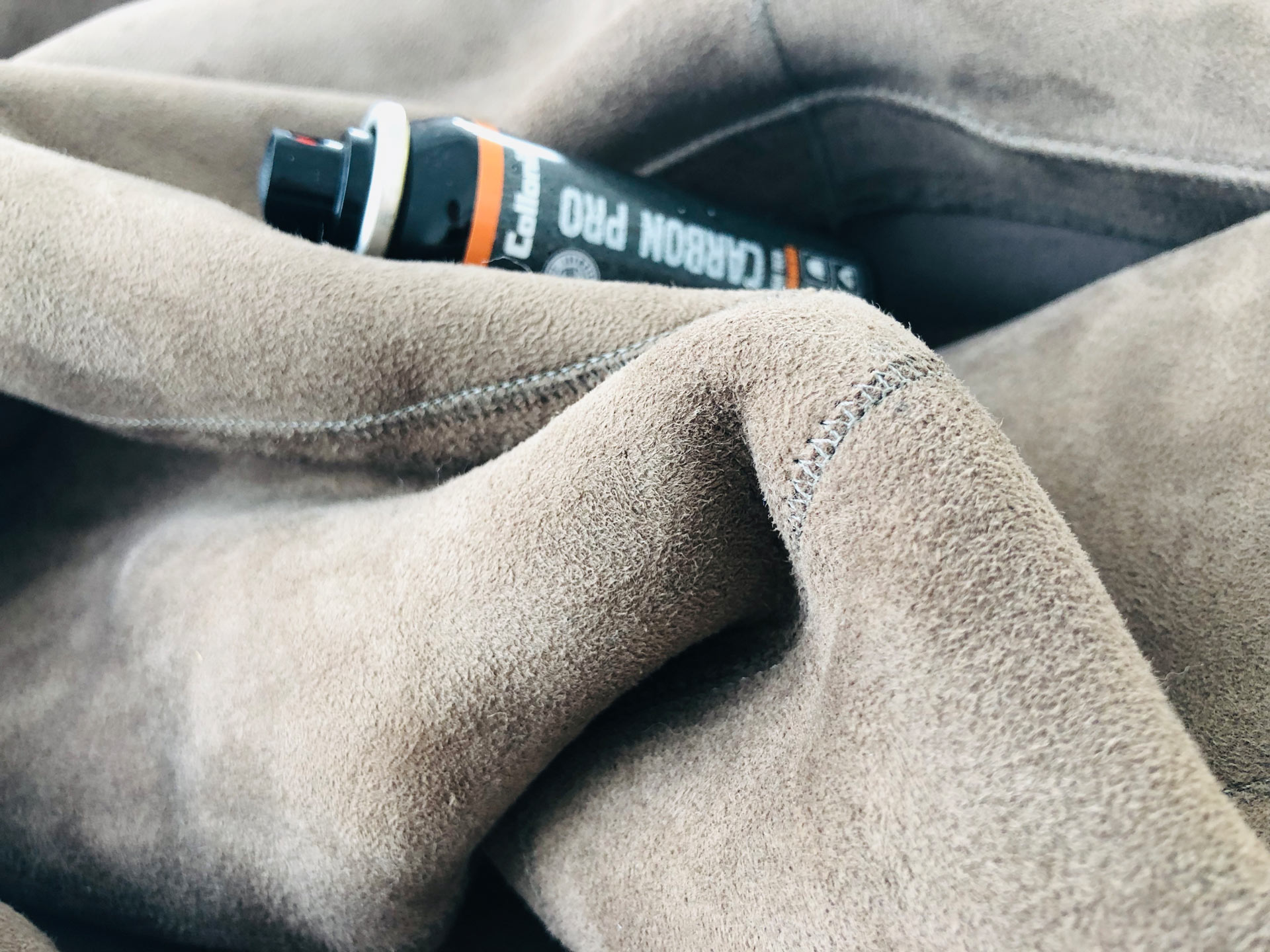
Suede is characterized by its soft, napped surface. Most stains should be treated only when the garment is dry. To do this, let the coat dry at room temperature—not near a heater—and gently brush away the stain with a crepe brush. Grease stains on the collar and sleeves can also be removed this way. Grease stains can be treated with special
leather cleaning sprays. It’s best to follow the instructions at
and wipe the leather surface with a cotton cloth.
Note: After purchasing a Wunderfell suede coat, it may initially shed a small amount of sanding dust
due to the manufacturing process.
However, this fine leather dust can be easily removed, for example, with a lint roller or a vacuum cleaner. We do recommend, however, that our customers initially style the coat with matching colors until the dust has settled and no longer leaves any residue on clothing.

Nappa leather is characterized by its smooth and glossy surface and is a popular material for making vests, jackets, and coats. The finish makes leather garments relatively resistant to dirt. If necessary, however, dirt can be easily removed using a special leather soap. Water stains should not be left on the surface for too long, as this can cause unsightly marks on the leather. Simply wipe damp nappa leather with a cotton cloth and let it dry at room temperature.


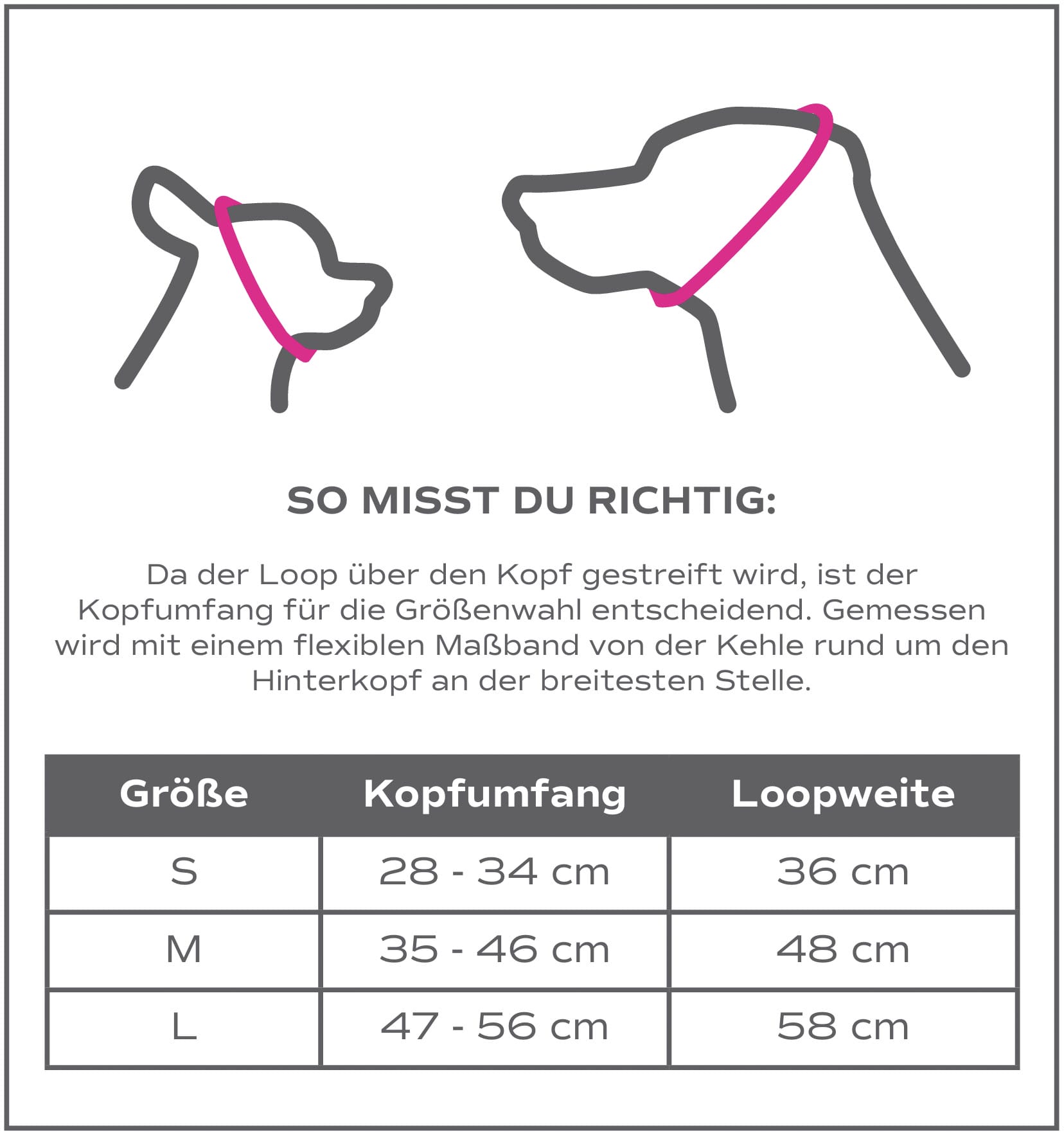
The chart is based on your body measurements, not the measurements of the specific item!
Example: If your bust measurement is 102 cm, then size M will fit you.

Place the measuring tape around the widest part, pulling it straight and tight enough so that it doesn't cut into your skin.
Place the measuring tape across the front of your chest at the widest point, wrap it under your arms, and let it rise slightly along your back.
Measure at the narrowest part of the torso. This is where the waistband is secured.
Place the measuring tape horizontally across the widest part of your buttocks.
This chart is based on your body measurements, not the measurements of the specific item! Please place the measuring tape as shown below; it should fit snugly but not be too tight.
For slim-fit jackets and coats, the actual measurements are always at least 2 cm wider than the maximum values listed in the size chart.
Loose-fitting styles, such as capes, may also be significantly larger than the maximum value listed in the size chart.
Example: If your bust measurement is 97 cm, then size M will fit you.

Here's how to measure correctly: Place the measuring tape around the widest part, keeping it straight and pulling it just tight enough so that it doesn't cut into your skin.